Virginia iGEM 2025
A team project focused on engineering a synthetic biology-assisted system for improved biohydrogen production through dark fermentation.
Project Motivation
As fossil fuel consumption continues to increase, so do its environmental and economic consequences. To support the transition toward a more sustainable energy future, alternative energy sources capable of powering industry and transportation at scale must be developed. Hydrogen (H2) has strong potential as a sustainable, energy-dense fuel; however, many current production methods remain inefficient, expensive, or environmentally costly.
One promising alternative is dark fermentation, a biological process in which microorganisms convert organic waste into hydrogen gas. While dark fermentation offers a potentially sustainable route for biohydrogen production, the process is often limited by competing microbial activity that reduces hydrogen yield and increases methane production.
This project explored the use of synthetic biology to improve biohydrogen production by engineering a biological device (the Cysteinator) capable of modulating the microbial environment within dark fermentation systems. Our approach focused on reducing the oxidative-reductive potential of organic waste environments through controlled L-cysteine secretion, creating conditions more favorable for H2-producing bacteria while suppressing competing microbial processes.
My Role
As Team Lead for Virginia iGEM 2025, I helped guide project development, coordinate interdisciplinary collaboration, and contribute to both the scientific and strategic direction of the project.
My contributions included but are not limited to: 1) leading project development and scientific planning, 2) conducting literature review and background research, 3) contributing to mechanistic modeling and systems-level analysis, 4) assisting with experimental design and project strategy, 5) supporting team communication and coordination, and 6) presenting at the iGEM Grand Jamboree in Paris.
More detailed attributions for all of the team members can be found at the link here .
Approach
Our projected methodology focused on designing and validating sustainability through multiple lenses. Below is a diagram of our proposed biological-device integration.
Part 1: Dark Fermentation + the Cysteinator
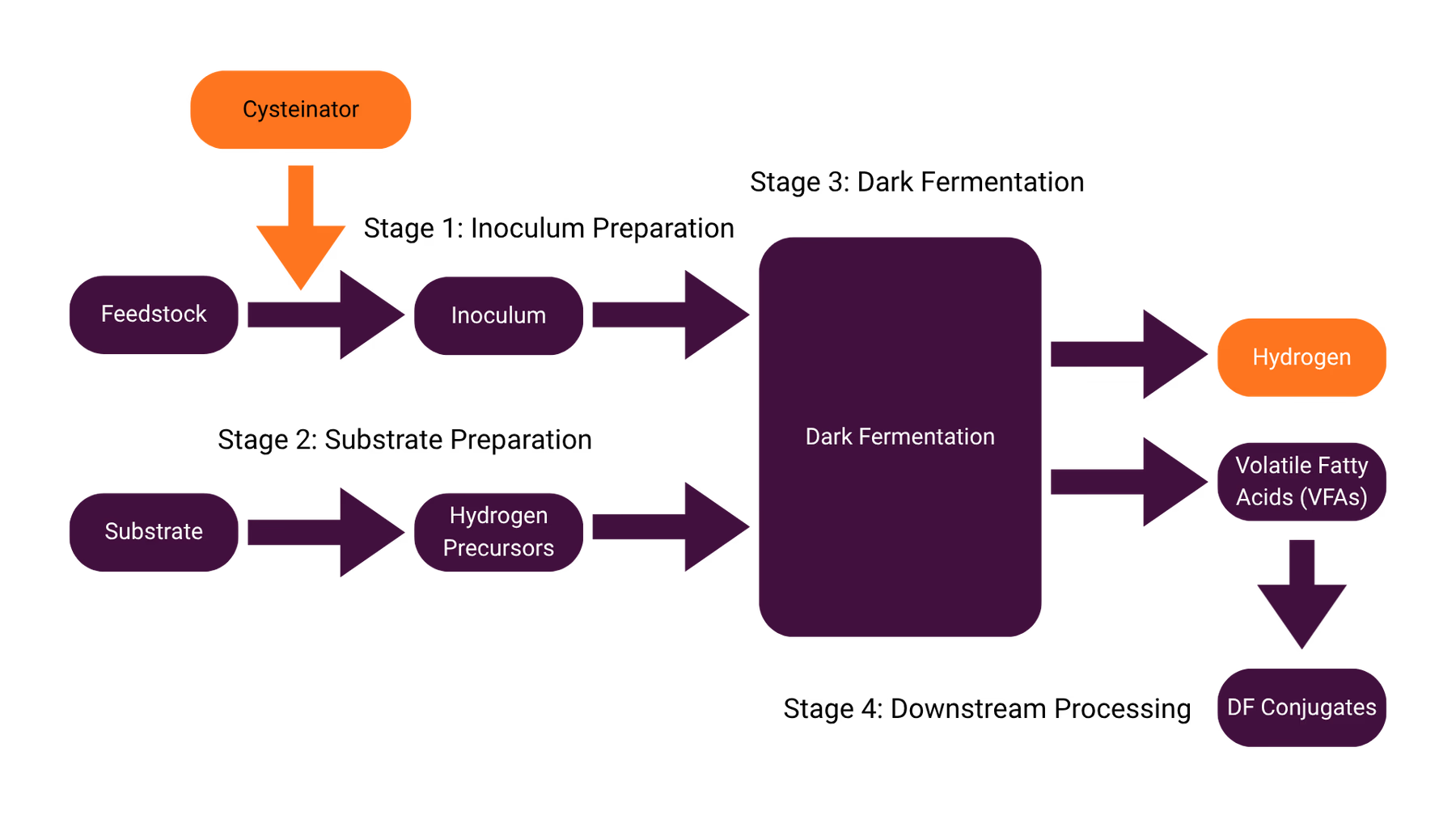
The Cysteinator is designed to secrete L-Cysteine until a certain concentration into the environment. This reduces the oxidative-reductive potential of the organic matter environment, allowing only the H2-producing bacteria to thrive.
Part 2: the Cysteinator
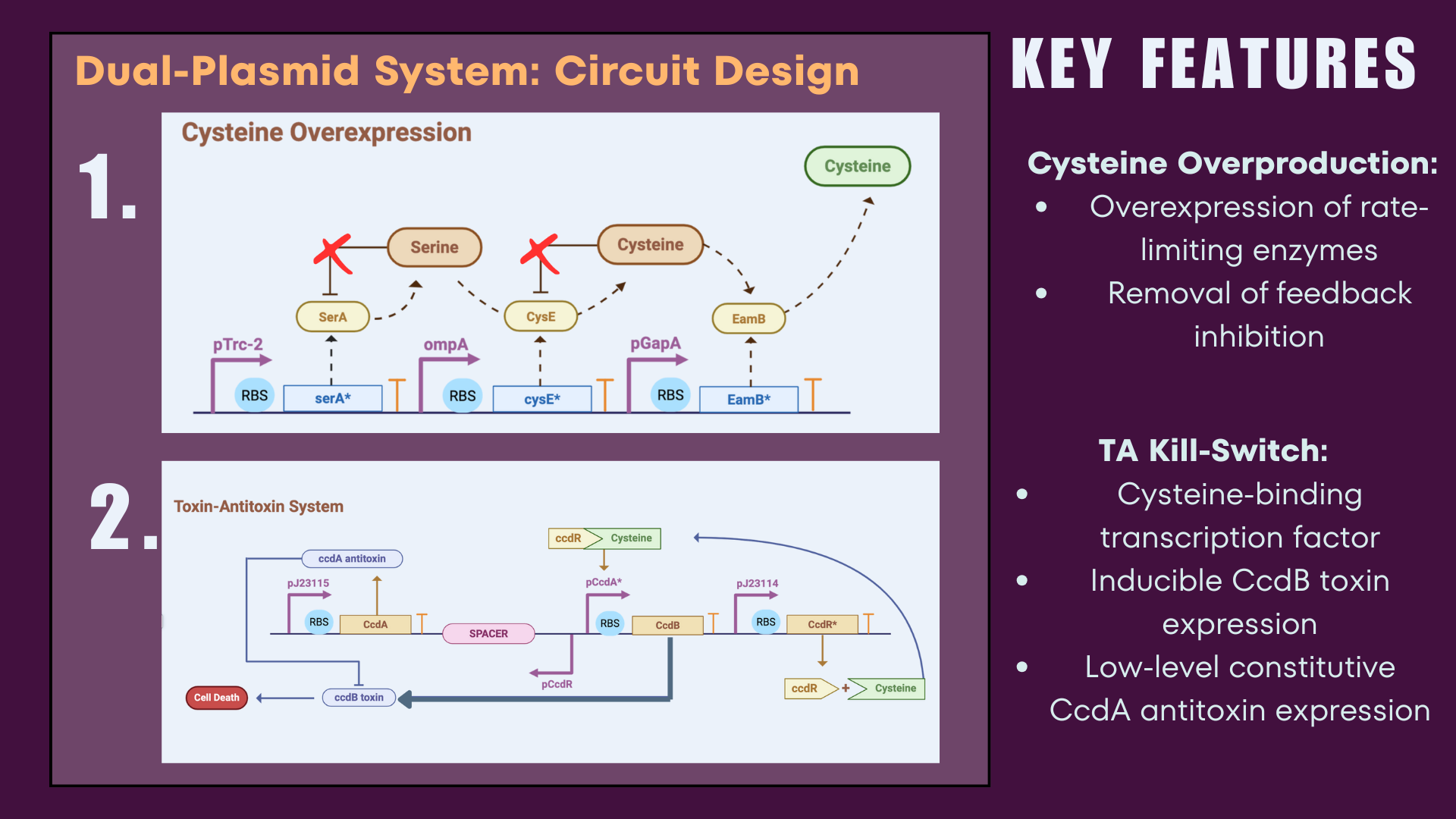
As different organic matter environments have different H2 producing bacteria and are subject to different environmental conditions the team integrated modularity into the circuitry so that the device can be customized to the environment.
Part 3: Multi-Scale Model
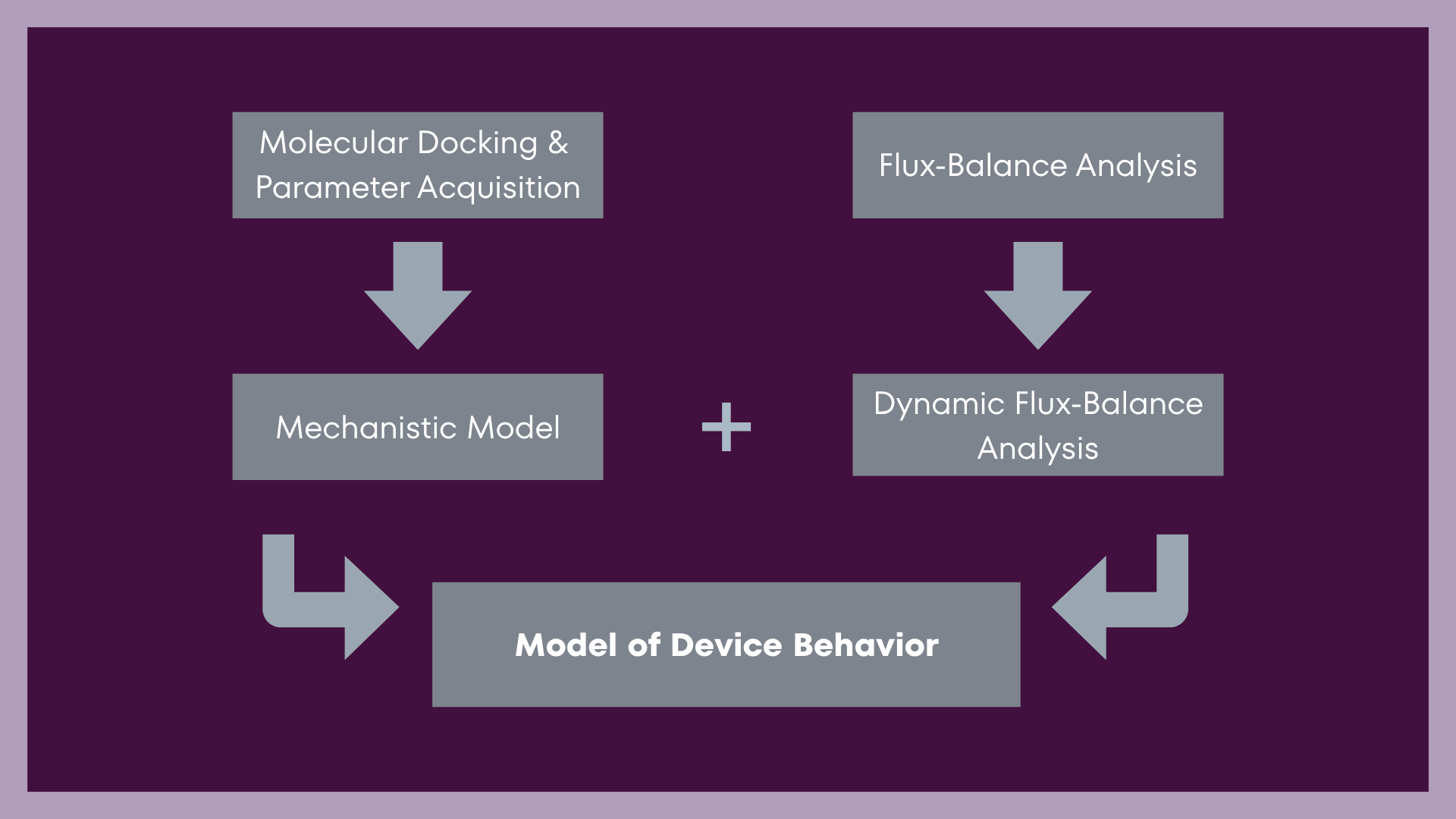
In order to accurately modulate the device, we developed a multi-scale model that is able to factor both environmental conditions and reflect novel genetic circuitry into actionable mechanistic insights.
Part 4: Model - Device Interface
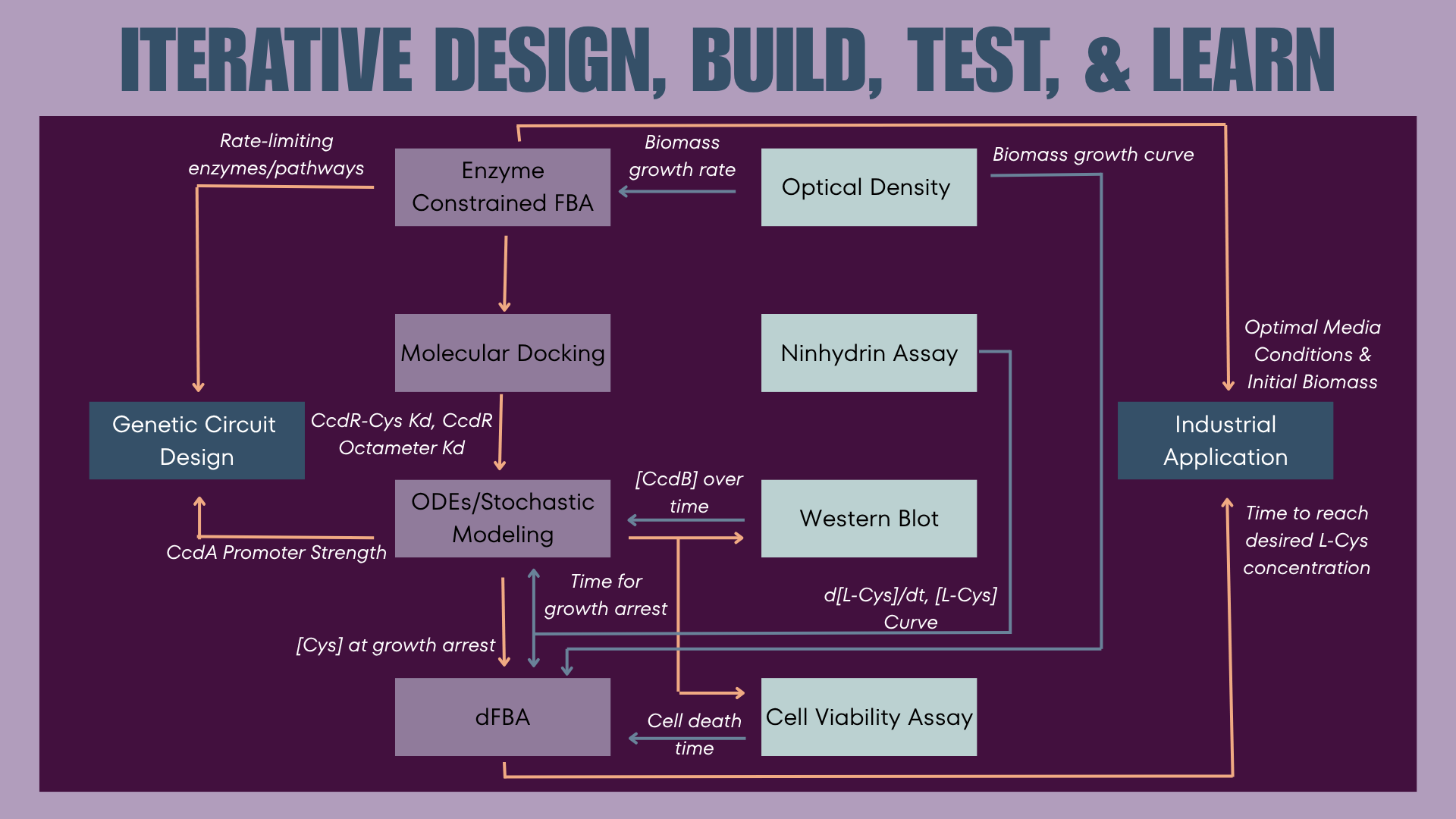
To minimize the impact of assumptions made during model constructions a Bayesian sampler and mean squared error cost function will be used to calibrate the model to experimental data. These insights can be used to iteratively improve device construction and the model.
Results
Below are the results from our model, and a summary of our Techno-Economic Analysis (TEA) and Life-Cycle Assessment (LCA).
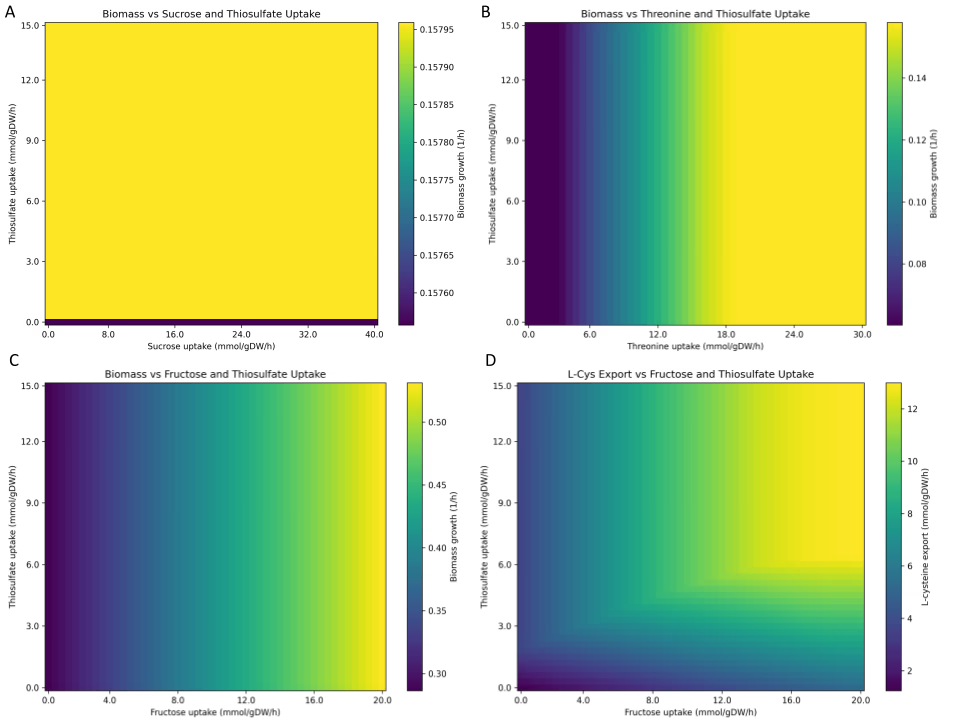
Figure 1. The figure shows heatmaps plotting biomass growth and L-cysteine export based on the uptake of various metabolites under varying conditions. A-B: Real/synthetic wastewater conditions. C-D: Solid waste conditions. This shows the ability of the model to simulate diverse waste environments and device behavior in it. More information about how this was done can be found at this link.
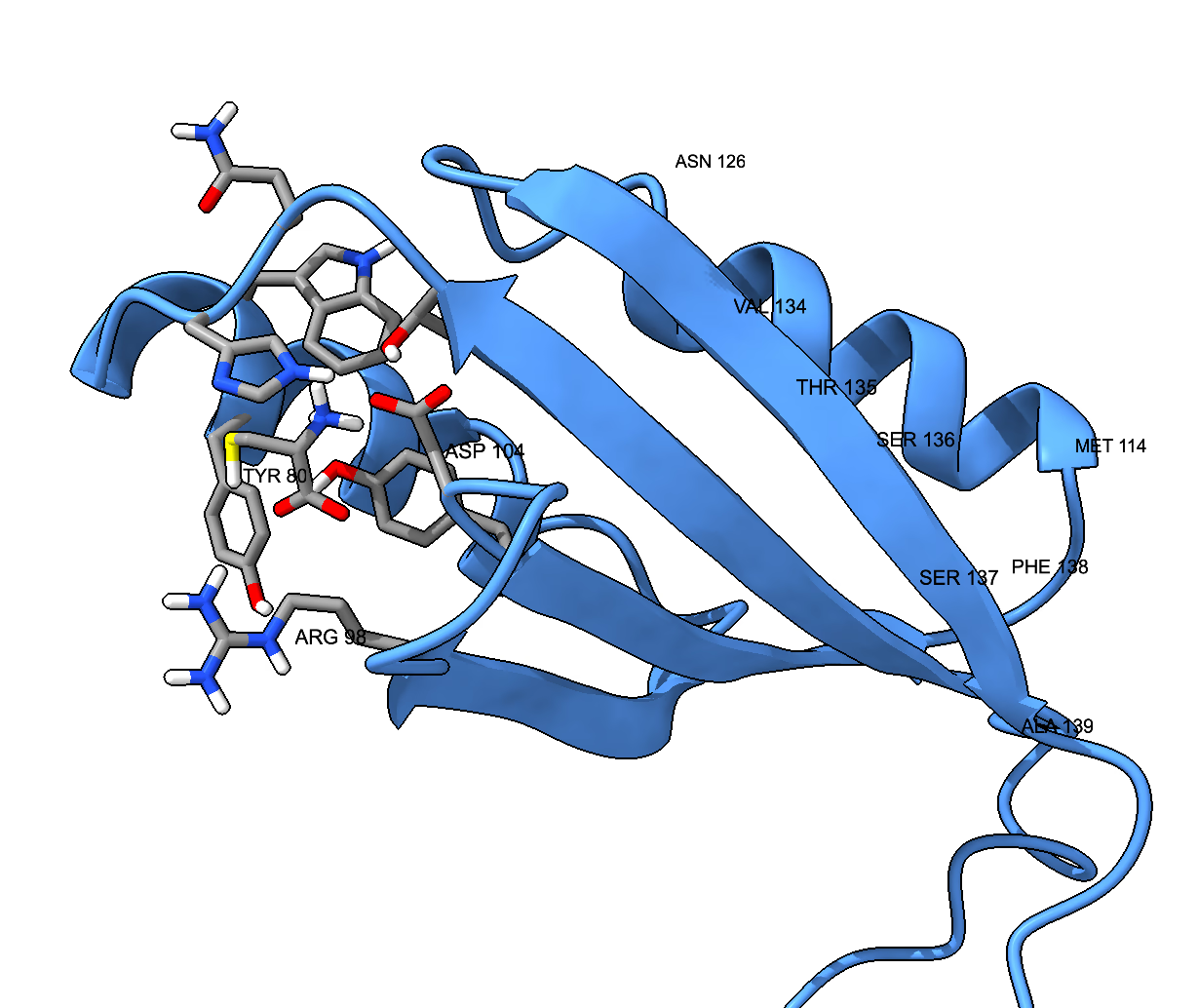
Figure 2. The figure shows L-Cysteine docked to CcdR, this was done to attain the binding affinity between CcdR and L-Cysteine which was then used in the mechanistic model. More information about how this was done can be found at this link.
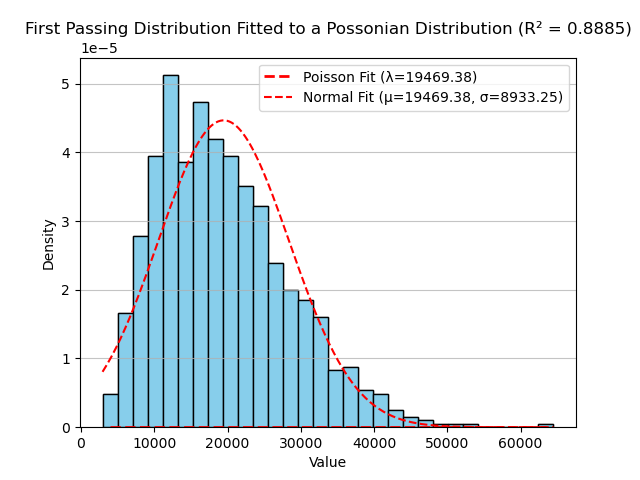
Figure 3. The figure shows the distribution of at what time the kill-switch in the device should be activated. This gives us actionable insight into the total production and export of L-Cysteine and the dynamics of the kill-switch. This can help inform how to regulate the kill-switch which can then inform how to modulate the device in future constructions. More information about how this was done can be found at this link.
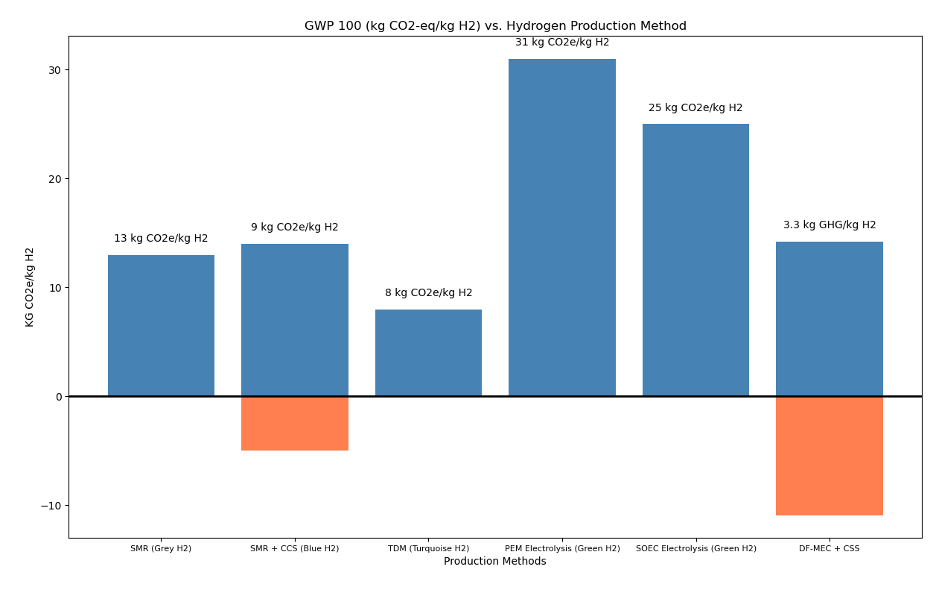
Figure 4. The figure shows the total emissions (include negative emissions) of common H2 production methods. Our analysis shows that Dark Fermentation + the Cysteinator is the most sustainable H2 production method. The TEA supports this result showing it to be a cheaper production method at scale. More information about how this calculation was made and the TEA can be found at this link.
This is an abbreviated version of the results of our project. I encourage you to look through this link, to see more comprehensive documentation of our results.
Discussion & Limitations
While the proposed system showed promising results in simulation and preliminary design analyses, experimental validation is still required to determine whether the device can function reliably in real biological environments. One major challenge encountered during development was the complexity of the genetic circuitry, which created difficulties during DNA synthesis and construct design. These challenges may become increasingly significant when attempting to scale the system for industrial implementation or develop multiple iterations of the device.
Although the modeling framework strongly supported the theoretical feasibility of the system, many biological and kinetic parameters were unavailable in existing literature. As a result, several biologically informed assumptions were required during model construction and calibration. While these assumptions allowed the project to progress, they may have introduced bias into the simulations and influenced predicted system behavior. Future wet-lab characterization and parameter estimation will be necessary to further validate and refine the model.
Similarly, the Techno-Economic Analysis (TEA) and Life-Cycle Assessment (LCA) relied partially on previously published values and generalized assumptions about implementation environments. A more comprehensive analysis would incorporate experimentally measured system performance and site-specific operational conditions. Despite these limitations, the modeling and sustainability analyses suggest that the proposed system has strong potential to improve both the efficiency and sustainability of biohydrogen production, particularly at larger scales.
Future Directions
The immediate next steps for this project involve experimentally validating the biological device in vitro and evaluating system performance in controlled bench-scale bioreactors. Initial testing would likely begin using synthetic waste feedstocks before progressing toward more compositionally complex real-world waste environments. These experiments would provide critical insight into system stability, hydrogen yield, microbial population dynamics, and the practical feasibility of implementing the device in operational dark fermentation systems.
Future work would also focus on iteratively refining the computational model using experimental measurements generated during wet-lab testing. As additional biological and kinetic parameters become experimentally characterized, the model can be recalibrated to improve predictive accuracy and better inform future engineering decisions.
Beyond validation of the current system, additional opportunities exist to further optimize dark fermentation through improvements in microbial engineering, reactor design, environmental control strategies, and downstream hydrogen recovery processes. Continued integration of synthetic biology, systems modeling, and sustainability analysis could help advance the long-term viability of biohydrogen as a scalable renewable energy source.
Reflection
This was my first experience leading a large interdisciplinary project, and I learned a tremendous amount about collaboration, communication, and scientific project management. One of the most valuable lessons was learning how to balance different personalities, technical backgrounds, and strengths to build an environment where everyone felt involved and able to contribute meaningfully to the project.
I also gained a much deeper appreciation for the realities of scientific research beyond the bench itself—balancing limited budgets, adapting to unexpected technical challenges, and making thoughtful decisions under tight deadlines. Throughout the project, I was constantly pushed to quickly familiarize myself with entirely new fields, ranging from stochastic modeling and synthetic biology to systems engineering and web development.
Most importantly, this experience reinforced how impactful interdisciplinary science can be when people with different perspectives work toward a shared goal. I would not have been able to do any of this without the support of my teammates, mentors, and advisors, and I am incredibly grateful for everything they taught me throughout the process.
Selected References
- Hossain, M. & Siddique, Z. (2025). Hydrogen as an Alternate Fuel: A Comprehensive Review of Challenges and Opportunities in Production, Storage, and Transportation. DOI
- Chen, H. et al. (2010). Influence of L-Cysteine Concentration on Oxidation-Reduction Potential and Biohydrogen Production. DOI
- King, S. J. et al. (2022). Synthetic Biology for Improved Hydrogen Production in Chlamydomonas Reinhardtii. DOI